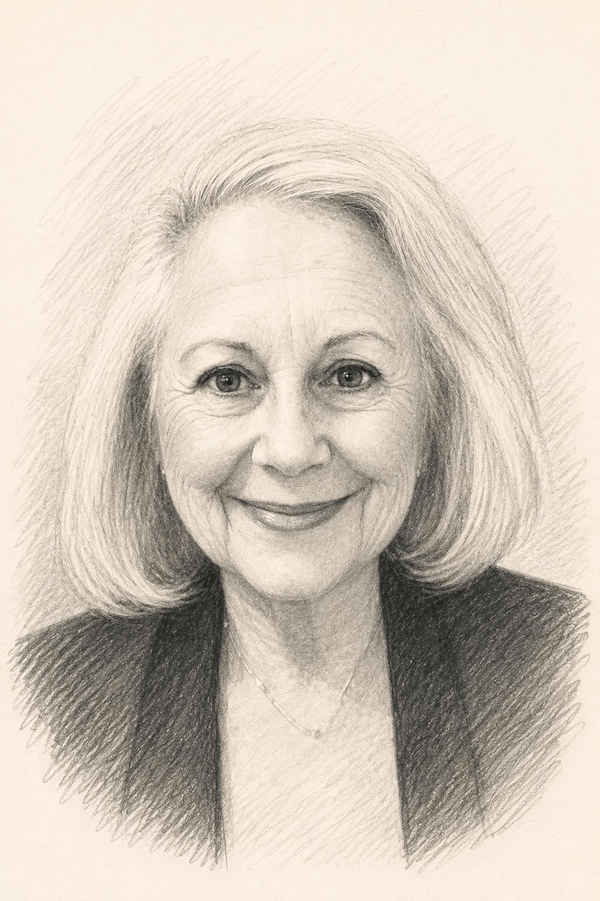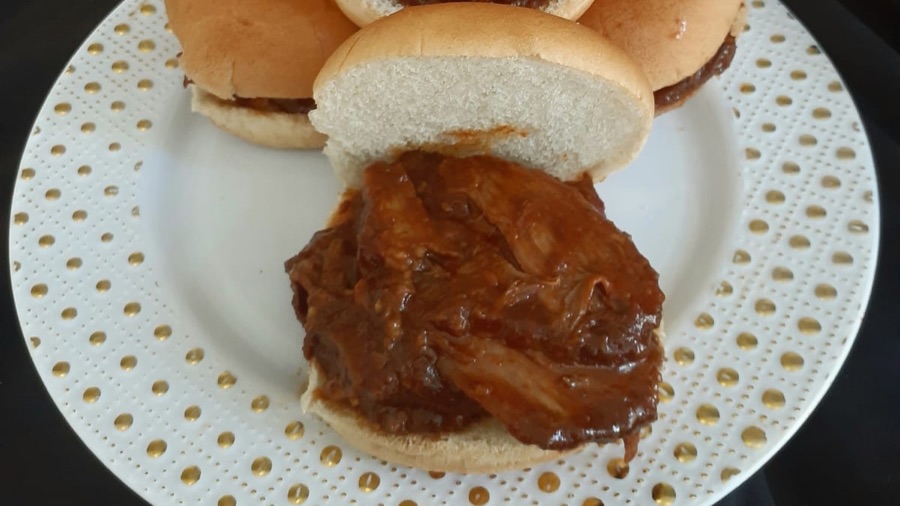
Sometimes smell takes us to travel in lost memory lanes. But can we recreate experiences from smell alone? There are people who accept lost memories and forgotten traditions as something inevitable. And then there are people like Harriet Katz.
For forty years, Harriet was a caterer in Toronto. Cooking wasn’t simply her profession, it was her way of caring for people. But it wasn’t until the world came to a halt during the pandemic that she realized she had one more meal to prepare.
Not for customers. For future generations.
With her catering business suddenly on pause, Harriet found herself thinking less about what she would cook next and more about everything that had never been written down. The recipes she had inherited. The dishes she had recreated from memory. The traditions that lived only in the minds of grandmothers.
So, she gave herself a mission. Over the next two years, Harriet created and recreated 375 kosher recipes, eventually turning them into a cookbook unlike any other.
But Bubbie Koshers the World is not really a cookbook. It’s a love letter to memory. It is truly unique because many of the recipes were created from the “memory of taste”, from her childhood and from certain events in her life.
The story follows a grandmother and her grandson as they travel across North America, discovering local cuisines and recreating them as kosher while learning the history and culture behind every dish. They begin in multicultural Toronto, continue through Quebec and the Maritimes, explore New England, and eventually arrive in New York, where the grandson discovers the Ashkenazi foods that shaped his own family’s story.
The journey is fictional. The mission is deeply personal.
Years before she ever wrote the book, Harriet and her husband spent some time traveling across North America. Everywhere they went, Harriet found herself drawn to local food, feeling how every culture leaves part of itself at the table.
She specifically remembers one day in New Orleans, when a waitress walked past carrying a plate of chicken fricassee. Harriet recognized it before she even saw it. The smell instantly transported her back to her grandmother’s kitchen.
If a smell can carry a memory for decades, then the food that created it deserves to be preserved too. She went home and recreated the recipe entirely from memory. Simply because no one had written it down yet.
Her grandmother never wrote down her recipes. Like many women of her grandmother’s generation, recipes existed only in their heads. There is even a Yiddish word for it: Shitteryne - cooking without a recipe, using taste, touch, and smell as your only measurements.
“They just knew,” Harriet says. “They knew when something needed more salt or a dough felt different. They knew because they’d made it hundreds of times.”
But when those women were gone, much of that knowledge disappeared with them.
When her grandson asked her a simple question one day: “Why do we keep kosher?” Harriet realized the answer wasn’t really about food. It was about identity, about family. About understanding where we come from. She realized the answer wasn’t a lecture. It was a story.
Looking back, Harriet doesn’t see her cookbook as a collection of recipes. She sees it as a way of preserving something far more fragile. The meals we remember are never just meals. They’re birthdays. Holiday tables. Sunday afternoons. The people we loved, sitting together.
She also sees something beautiful in the connection between culture, travel, and food.
Together, they create memories. Those memories become traditions. Those traditions become our legacy.
Today, when families are busier than ever. Children often grow up far from their grandparents. The quiet knowledge that once passed naturally from one generation to the next is becoming easier to lose.
Harriet hopes that one day her grandchildren will open her cookbook and simply say,
“This is what Bubbie used to make.”
Perhaps that’s what preserving tradition has always been about.
Not holding on to the past. But giving the future something worth remembering.