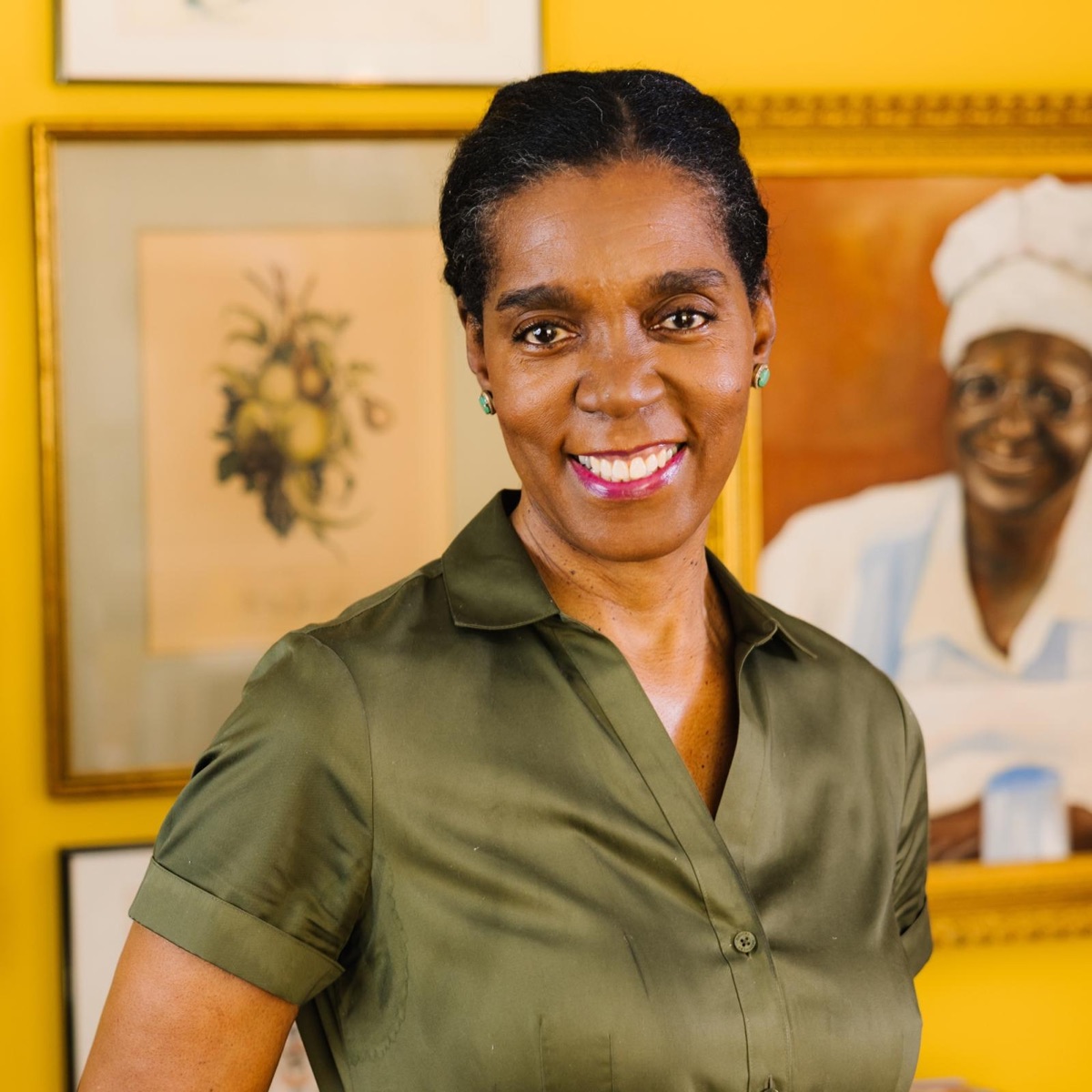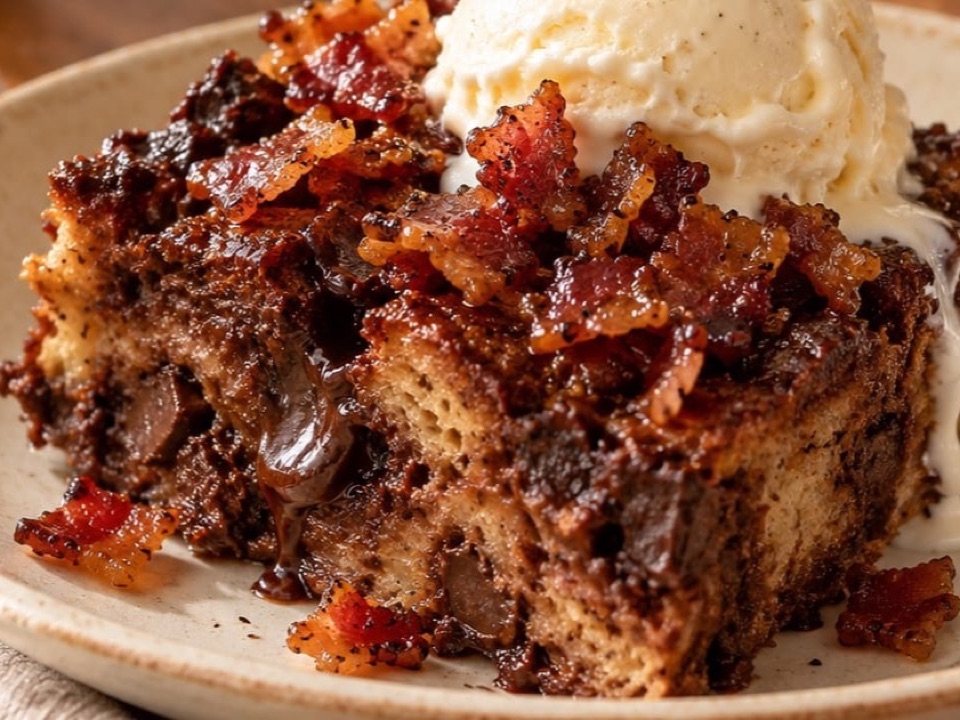
In Spring Council’s childhood kitchen, the table did nearly everything. There was little counter space, so it became the place where her mother prepared the family’s meals and where everyone later gathered to eat them. Spring remembers standing there with her sisters as pinto beans and collard greens cooked nearby and cakes and pies filled the room with sweetness. During the holidays, several meats, vegetables and desserts might be underway at once.
The girls were not required to stay. They wanted to be there. The kitchen was where they had their mother’s attention, where they watched her hands and tasted what she offered from the pot. Years later, Spring understood that those ordinary hours carried an inheritance.
Her mother, Mildred “Mama Dip” Council, was teaching through oral tradition. There were no written instructions beside the stove and few fixed measurements. She cooked by memory and used what Spring calls “dump cooking”: adding, tasting and adjusting until the food was right.
What looked informal was exacting. Mama Dip was teaching her daughters how to notice.
Learning to Notice
Spring learned that collard greens were ready by tasting their tenderness. Chicken and dumplings changed before her eyes as the dumplings sank, then rose and floated to the top. A cake announced itself first through smell—the deepening sweetness and caramel in the air—then through touch, springing back beneath a careful finger. Its edges began to pull away from the pan.
Frying required its own kind of attention. The cook had to hear the oil, watch the bubbles and keep adjusting the heat. If the food browned too quickly, the flame came down. If it cooked too slowly, it absorbed too much oil. Baking allowed a person to step away for a moment. Frying did not.
Mama Dip had learned in much the same way on a Chatham County farm in North Carolina. As a girl, she carried wood into the house and watched her sister and a family friend cook. She tasted, observed and remembered. In Spring’s kitchen, that knowledge moved forward without becoming a formal lesson.
The lesson did not fully reveal itself until Spring began reaching beyond the food she knew. Julia Child and Emeril Lagasse made her want to cook French, Italian and New Orleans dishes. She tried. The results were not always convincing. Once, she brought her mother chicken Kiev. Mama Dip tasted it and told her it was dry.
More important, she told Spring to learn the food of her own heritage first.
Eventually Spring understood. Chicken Kiev was, at heart, fried chicken filled with herb butter. She already knew how fried chicken should sound, feel and cook. She had been treating it as a foreign dish instead of beginning with the knowledge already in her hands.
“You have to be true to yourself and true to your heritage, and then build on that,” Spring says. “If you don’t have that foundation, there’s really nowhere else to go.”
What Mama Dip Showed Her Daughters
For the public, Mama Dip became a beloved restaurateur and the founder of Mama Dip’s Kitchen in Chapel Hill. Her daughters also knew the woman who danced in front of the television whenever Diana Ross appeared, blocking their view as they called, “Mama, move out the way.” She taught them to laugh after an argument, release a grievance and move on.
She rarely instructed her daughters on how to live. She showed them.
Spring remembers a childhood when five girls shared one bed, then three beds in one room, and eventually the day she opened the door to a room of her own. Her mother worked as a maid, cook and hairdresser before building the restaurant that changed the family’s life. “Food brought us out of poverty,” Spring says.
As the business grew, Mama Dip sought guidance from the Small Business Administration and made sure her children had access to the same resources. She also widened their world in other ways. There were magazines and books at home, and visits to the library, the planetarium and the North Carolina Symphony. Even when money was scarce, exposure was not.
That mattered. Mama Dip gave her children a deep sense of where they came from while allowing them to imagine lives that looked different from hers. Spring found her own style in the dishes she brought to family meals, in the vintage tableware she collected and in the way she combined Southern food with ideas gathered from travel and experience. The moment her mother finally tasted one of her dishes and said it was good, Spring knew she had found her way.
Creative in Their Roots
Spring’s daughter, Tonya Council, grew up in the restaurant just as Spring had grown up beside Mama Dip. By two, she was in the building; by three, she was trying to wash dishes. She later opened a bakery and then Tonya’s Café & Bakeshop, serving many of the foods customers remembered from Mama Dip’s Kitchen.
The lineage is clear, but the food is not frozen in time. Mama Dip seasoned lima beans simply with butter. Tonya adds smoked turkey and fat. Spring deliberately moved away from reproducing her mother’s traditional menu in her own cookbook, Southern Roots, choosing recipes that reflected her own tastes.
Each woman begins in the same place and cooks forward from there.
When Spring considers how families can preserve a tradition without burdening younger generations with doing everything exactly the same way, her answer is uncomplicated: let them be who they are. Give them the root, then let them decide how it will grow.
“Food is not static,” she says. “Let that generation be creative in their roots.”
On September 19, 2026, that inheritance was tested in a way no one expected. A fire caused serious damage to Tonya’s Café & Bakeshop. Tonya’s first concern was that it might spread to the neighboring businesses. Once the fire was contained, her attention quickly turned to the people who depended on the café.
Spring created a fundraiser so the employees could continue receiving paychecks during the closure, while Tonya began looking for a kitchen where she could keep cooking and earning income as the café was rebuilt.
Spring recognized her mother’s response in her daughter. A problem was acknowledged, tears were shed, and then the family began to work. “Your place caught on fire,” Spring says. “Now it’s rebuild time.”
A Place at the Table
For Spring, a table is useful long before the food arrives. It gives people a reason to come close enough to notice one another.
When a friend’s mother developed Alzheimer’s disease, Spring invited the friend to celebrate her birthday. The gathering made room for both parts of what the woman was carrying. Friends listened as she spoke about caregiving. They also ate, laughed and enjoyed the evening. The table gave her somewhere to bring both the weight of caregiving and the joy of being celebrated.
Spring now urges her own siblings to gather every week. She is the youngest, and wants them to sit together often enough to know how everyone is doing. Serious conversation and laughter can occupy the same meal, just as they did in her mother’s kitchen.
The objects on Spring’s table carry memories of their own. While the family was clearing her mother’s home, Spring claimed Mama Dip’s silverware and a set of General Electric casserole dishes. “You’re taking that?” her daughter asked. Spring was certain. She was not going to let her mother’s things disappear into a thrift store.
Another silverware set came from a longtime restaurant customer. Before accepting it, Spring asked whether the woman’s children might want it. They did not. The set now reminds her of the relationships formed over decades at Mama Dip’s—customers who became part of the family.
“Grandmother’s plates tell stories paper plates never could,” Spring says.
A plate can recall the food served on it, the conversation that unfolded around it and the person who once placed it on the table. The same is true of a recipe. Its measurements matter, but they are only part of what a family receives. The rest lives in the cook’s attention: the sound of hot oil, the scent of a nearly finished cake, the instinct to make room for one more person and the confidence to change what came before.
Mama Dip passed those instincts to Spring without asking her to become a copy. Spring offered the same freedom to Tonya. That may be why the tradition continues. Each generation knows where it began—and is trusted to decide where it will go next.
Spring Inspires in Us
Spring inspires us to cherish the memories formed in ordinary moments: a mother and daughter in the kitchen, hands moving over a pot, a taste offered from a spoon. She reminds us that these seemingly simple moments often become the ones we remember longest. Her story invites us to pause, cook something our mothers or grandmothers taught us, and let their knowledge move forward through our own hands.